
Guiding a child in developing essential social skills can be a journey that is both challenging and rewarding for parents. Applied Behavior Analysis (ABA) therapy has emerged as a pivotal tool in facilitating ABA Therapy on social skills development, particularly for children with autism spectrum disorder (ASD). This evidence-based approach is designed to tailor interventions to each child’s unique needs, fostering meaningful interactions and communication skills.
In this article, we explore how ABA therapy contributes to the growth of social capabilities, providing parents with an in-depth understanding of its benefits and methodologies. As we delve into the nuances of ABA therapy, our aim is to equip you with the knowledge and insights necessary to make informed decisions for your child’s developmental journey.
The Role of ABA Therapy in Social Skills Development

Applied Behavior Analysis (ABA) therapy plays a crucial role in the development of social skills for children with autism spectrum disorder (ASD). This evidence-based approach uses structured techniques to teach and reinforce social behaviors, ultimately aiding children in better navigating social interactions.
ABA therapy targets various aspects of social skills, focusing on improving communication, interaction, and understanding of social cues. The therapist customizes the interventions to meet each child’s unique needs, ensuring that the strategies employed are relevant and effective.
Key techniques utilized in ABA therapy for social skills development include:
- Direct Instruction: Therapists provide explicit instructions and demonstrations of specific social behaviors, guiding the child through each step until mastery is achieved.
- Role-Playing: Children practice social scenarios through role-playing activities, allowing them to rehearse and refine their responses in a controlled environment.
- Reinforcement: Positive reinforcement is used to encourage desired social behaviors. This might include verbal praise, rewards, or other incentives that motivate the child to continue engaging in appropriate social interactions.
- Video Modeling: Watching videos that demonstrate successful social interactions can help children understand and imitate appropriate behaviors.
- Naturalistic Teaching: Integrating learning opportunities into everyday activities helps generalize social skills across different settings, making them more applicable in real-world situations.
The impact of ABA therapy on social skill development is significant. By systematically addressing social deficits and building on strengths, ABA therapy fosters meaningful progress in children’s ability to communicate and interact with others. As parents observe their child’s growth, they gain hope and confidence in their child’s potential to form fulfilling relationships.
Related: How ABA Therapy Influences Positive Behavior Change
Individualized Approaches in ABA Therapy
Individualized approaches in Applied Behavior Analysis (ABA) therapy are pivotal to its success in social skills development for children with autism. By tailoring interventions to meet each child’s unique needs, ABA therapy ensures that the specific challenges and strengths of an individual are addressed effectively.
The customization in ABA therapy allows for a more personal and adaptive treatment plan, which can yield significant improvements in a child’s social interactions. Here are some key elements of individualized ABA therapy:
- Assessment and Goal Setting: A comprehensive assessment is conducted to understand the child’s current abilities and areas needing improvement. This helps in setting clear, achievable goals that are relevant to the child’s social skill development.
- Personalized Interventions: The therapy strategies are designed to align with the child’s interests and preferences, making learning more engaging and effective. Techniques such as play-based and child-led activities are often incorporated to maintain motivation and participation.
- Family Collaboration: Therapists work closely with families to ensure that the interventions are consistently applied both in therapy sessions and at home. This collaborative effort helps in reinforcing the learned behaviors in various settings.
- Continuous Monitoring and Adjustment: Regular monitoring of the child’s progress allows therapists to make necessary adjustments to the intervention plan. This ensures that the therapy remains effective and aligned with the child’s evolving needs.
- Inclusion of Naturalistic Teaching: By integrating teaching opportunities into daily routines, children can practice social skills in real-world contexts, enhancing generalization and applicability of these skills.
Individualized ABA therapy not only addresses the specific needs of each child but also fosters a supportive environment where they can thrive. As parents witness incremental progress, the personalized nature of ABA therapy provides hope and reassurance that their child is on a path towards better social integration and meaningful relationships.
Related: The Benefits of Early ABA Therapy Intervention in ADHD Management
Impact of ABA Therapy on Communication Skills
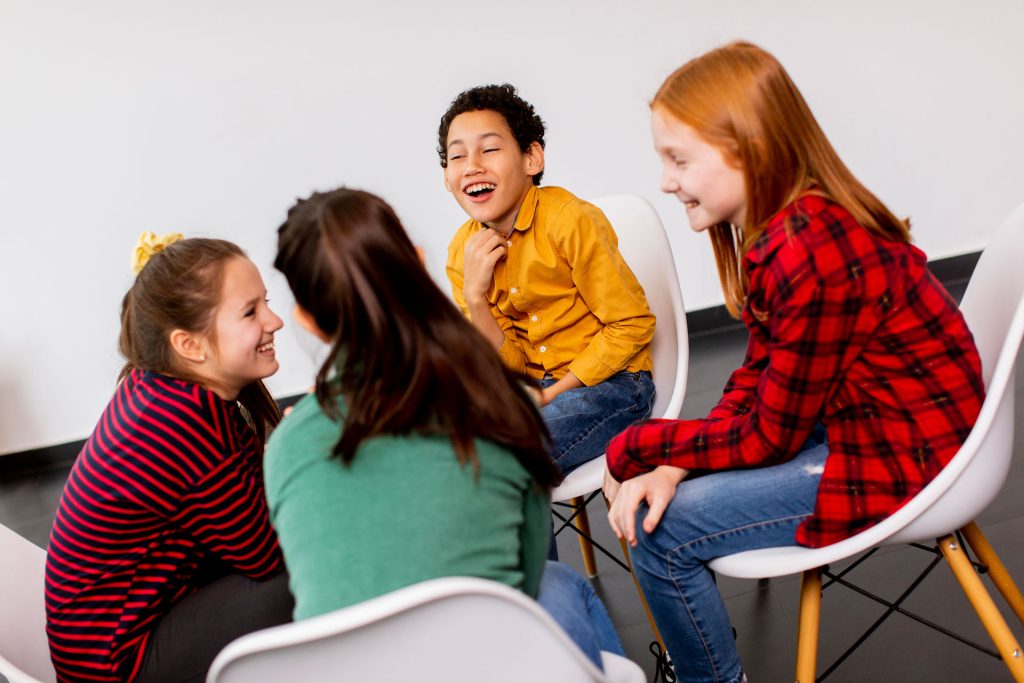
ABA therapy has proven to be a transformative approach for enhancing communication skills in children with autism spectrum disorder (ASD). Through structured and evidence-based interventions, ABA therapy addresses the communication barriers that many children with ASD face, fostering more constructive ways for them to express their needs and feelings.
Key strategies used in ABA therapy to improve communication skills include:
- Motivational Techniques: Therapists use reinforcements to motivate children to communicate. This can involve using preferred activities or items as rewards for successful communication attempts.
- Prompting and Fading: Initially, therapists may use prompts to guide the child towards the desired communication behavior, gradually fading these prompts as the child becomes more proficient.
- Functional Communication Training (FCT): This involves teaching children alternative ways to communicate their needs effectively, reducing problematic behaviors that may arise from frustration.
- Modeling and Imitation: Therapists demonstrate appropriate communication behaviors, which children are encouraged to imitate. This helps in building foundational language skills.
- Use of Visual Supports: Tools like picture exchange communication systems (PECS) and visual schedules can support children who are more responsive to visual stimuli, aiding in clearer communication.
The impact of ABA therapy on communication is significant. By systematically addressing individual communication challenges, ABA therapy helps children develop both expressive and receptive language skills. These improvements enable children to engage more effectively in social interactions, participate more actively in academic settings, and reduce frustration associated with communication difficulties.
Research consistently demonstrates the effectiveness of ABA therapy in enhancing communication abilities in children with ASD. For parents, witnessing their child’s progress in expressing themselves more clearly and interacting more meaningfully with others provides immense relief and hope.
Related: Debunking Myths about ABA Therapy
Collaborative Efforts: Parents, Therapists, and Educators
Collaborative efforts between parents, therapists, and educators are essential in maximizing the benefits of Applied Behavior Analysis (ABA) therapy for children with autism. This teamwork ensures that interventions are consistent across different environments, providing a cohesive support system that enhances social skills development.
Here are key aspects of effective collaboration:
- Open Communication Channels: Establishing regular communication between parents, therapists, and educators is crucial. This includes scheduled meetings, progress reports, and informal updates to ensure everyone is aligned on the child’s goals and progress.
- Shared Objectives: By setting common objectives, all parties can work towards the same outcomes. Clear, shared goals help in creating consistency in the application of ABA strategies, making it easier for the child to generalize learned skills across various settings.
- Role Clarity: Each participant in the child’s development plan should clearly understand their role and responsibilities. This clarity helps prevent overlaps or gaps in the implementation of therapy strategies.
- Parent Training and Involvement: Parents are trained to apply ABA techniques at home, reinforcing the skills taught during therapy sessions. This continuity is vital for maintaining progress and addressing behaviors in real-time.
- Educator Engagement: Teachers play a significant role in implementing ABA strategies within the school environment. Their involvement ensures that social skills are practiced throughout the school day, promoting better integration with peers.
- Regular Assessments and Adjustments: Continuous monitoring and evaluation allow for timely adjustments to the therapy plan. Feedback from parents and educators helps therapists refine interventions to better suit the child’s evolving needs.
Research highlights the importance of collaborative efforts in ABA therapy, emphasizing that a unified approach significantly enhances treatment outcomes. For parents, being an active part of this collaborative team not only empowers them but also provides assurance that their child is receiving comprehensive support.
Related: The Role of ABA Therapy in Enhancing Communication Skills
Long-Term Benefits of ABA Therapy on Social Development
The long-term benefits of Applied Behavior Analysis (ABA) therapy on social development are profound and far-reaching, especially for children with autism spectrum disorder (ASD). This evidence-based approach not only addresses immediate social skills deficits but also lays the foundation for improved interactions and relationships throughout life.
Here are some key long-term benefits of ABA therapy on social development:
- Enhanced Communication Skills: ABA therapy focuses on improving both verbal and non-verbal communication. Children learn to express their needs and understand others more effectively, which is crucial for building social relationships.
- Better Peer Interactions: By teaching children appropriate social behaviors and cues, ABA therapy helps them navigate peer interactions more successfully. This includes skills like sharing, turn-taking, and understanding social norms.
- Increased Independence: As children develop better social and communication skills, they become more independent in social settings. This independence is essential for success in school, community activities, and later in the workplace.
- Reduced Problem Behaviors: Many social difficulties stem from frustration and misunderstanding. ABA therapy addresses these issues by providing children with alternative ways to communicate and interact, thereby reducing problem behaviors that can hinder social development.
- Long-Term Academic and Career Success: Improved social skills contribute to better academic performance and career prospects. Being able to interact appropriately with teachers, classmates, and eventually colleagues can significantly impact a child’s educational and professional future.
Research consistently supports the effectiveness of ABA therapy in fostering these long-term benefits. For parents, choosing ABA therapy means investing in a future where their child has the tools and skills needed for meaningful social connections and overall success.
At Spark Behavioral Solutions & Consulting Services, we offer comprehensive ABA Therapy in Frisco, Texas, tailored to meet your child’s unique needs. One of our goal is to support your child’s growth and help them achieve their fullest potential through individualized and compassionate care.
For more information on how ABA therapy can benefit your child, visit our website or contact us today.