
Autism can often feel overwhelming for parents who are seeking to understand their child’s unique needs and challenges. It’s a journey filled with a mix of emotions, from uncertainty to hope, and the quest for clarity is a constant companion.
Understanding the different levels of autism is a crucial step in this journey, as it provides parents with the insights needed to support their child’s development effectively. This comprehensive guide aims to unravel the complexities of autism, offering a compassionate and informed perspective that empowers parents to foster a nurturing and supportive environment for their children.
By shedding light on each level, we hope to equip you with the knowledge to embrace your child’s individuality and help them thrive in their own special way.
Defining Autism Spectrum Disorder (ASD)

Autism Spectrum Disorder (ASD) encompasses a diverse range of conditions that present unique challenges in social skills, repetitive behaviors, speech, and nonverbal communication. As a parent, understanding ASD is a crucial step in supporting your child’s journey.
With autism affecting approximately 1 in 36 children in the United States, it is essential to recognize that no two individuals with autism are alike. Each child will have their own set of strengths and challenges, and their needs will evolve over time.
ASD is a lifelong condition, which means that early intervention and ongoing support can significantly impact your child’s development and quality of life. Recognizing the early signs of autism and seeking a timely diagnosis can open doors to valuable resources and therapies. These interventions are tailored to help children develop skills that enhance their ability to communicate, learn, and interact with others.
By fostering a nurturing environment and equipping yourself with knowledge about ASD, you empower your child to navigate their world more effectively. Remember, understanding your child’s condition is not just about managing challenges, but also about celebrating their unique strengths and potential. Embracing this perspective will help you provide the best support for your child’s individual needs.
Related: How We Foster Collaboration in ABA Therapy
Exploring Autism Levels and Their Distinct Characteristics
Autism Spectrum Disorder (ASD) is categorized into three distinct levels in the DSM-5, each representing varying degrees of support needs. Understanding these levels helps parents grasp the spectrum of autism and better support their child’s unique journey.
- Level 1: Requires Support
Individuals at this level generally have mild symptoms, but they may face challenges with social communication and organization. They can usually communicate in full sentences but might struggle with back-and-forth conversations and understanding social cues. These children often benefit from structured environments and may need help with planning and transitioning between activities. - Level 2: Requires Substantial Support
At this level, individuals exhibit more pronounced difficulties in social interactions and communication. They may have limited verbal skills and face significant challenges with change. Engaging in repetitive behaviors and having specific interests are common, requiring tailored interventions to help them manage these behaviors and improve their adaptive skills. - Level 3: Requires Very Substantial Support
Individuals in this category experience severe challenges with communication, often using alternative methods to express themselves. They might struggle with significant behavioral issues and require intensive support. Daily living tasks can be overwhelming, necessitating comprehensive assistance and interventions to aid in their development and enhance their quality of life.
Each level underscores the importance of individualized care and understanding. While the DSM-5 levels provide a framework for diagnosis, it’s crucial to remember that every child’s journey with autism is unique, requiring understanding, patience, and tailored support.
Related: Transitioning to Adulthood: How ABA Can Help
Early Signs and Diagnosis
Recognizing the early signs of Autism Spectrum Disorder (ASD) can be a crucial step for parents in understanding and supporting their child’s development. Early intervention can make a significant difference, which is why being aware of developmental milestones and potential indicators of autism is essential.
- Limited Eye Contact: By six months, a lack of warm, joyful expressions or limited eye contact can be an early sign.
- Minimal Babbling: By twelve months, if a child shows little or no babbling or back-and-forth gestures such as pointing or waving, it may indicate ASD.
- Lack of Response to Name: By nine months, not responding to their name or lack of shared sounds and smiles can be concerning.
- Delayed Language Development: By sixteen months, very few or no words, and by twenty-four months, a lack of meaningful two-word phrases, excluding imitation, can be signs.
- Repetitive Behaviors: Engaging in repetitive behaviors such as hand-flapping, rocking, or spinning is common in children with ASD.
- Resistance to Change: Difficulty adapting to changes in routine or surroundings may also suggest the presence of autism.
If you notice these behaviors, consulting with a pediatrician for further evaluation is important. The American Academy of Pediatrics recommends autism screening at 18 and 24 months. Early diagnosis can lead to timely interventions, improving communication, social skills, and overall outcomes. Remember, each child is unique; a professional evaluation is vital to understand their specific needs and provide appropriate support.
Related: Teaching Life Skills through ABA Therapy
Creating a Supportive Home Environment
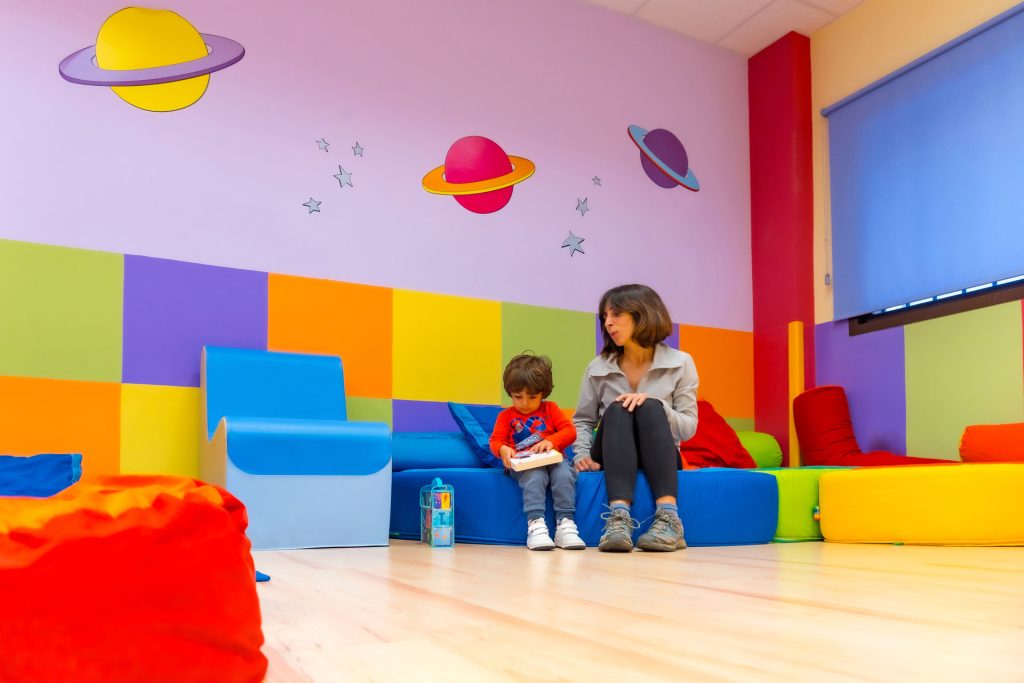
Creating a supportive home environment for a child with autism involves thoughtful planning to address their unique needs. Here are some strategies to consider, each aimed at fostering a nurturing and secure atmosphere.
- Quiet Spaces: Designate a calm area where your child can retreat when feeling overwhelmed. This can be a corner with soft cushions and calming colors or an entire room dedicated to tranquility. Such spaces help regulate sensory input and provide a sanctuary for relaxation.
- Visual Schedules: Implement visual schedules to offer structure and predictability. These can outline daily routines with pictures or symbols, helping your child understand what to expect and easing transitions between activities. Visual schedules empower children by giving them a sense of control over their day.
- Sensory Rooms: If possible, create a sensory room tailored to your child’s preferences. Incorporate elements like dimmable lights, textured walls, or soothing music. Sensory rooms serve as therapeutic spaces where your child can safely explore and engage their senses.
- Quality Time: Dedicate time for meaningful interactions. Consistent routines, like bedtime rituals or family game nights, foster a sense of security and belonging. These activities build stronger bonds and provide reassurance through familiar interactions.
- Weighted Blankets and Carpeting: Consider using weighted blankets for their calming effects and choose soft carpeting to cushion falls and minimize noise. These elements contribute to a comfortable and sensory-friendly environment.
By integrating these strategies, you create a home that not only meets your child’s needs but also nurtures their growth and well-being, helping them navigate challenges with confidence and joy.
Related: Beyond Autism: Expanding the Reach of ABA Therapy to ADHD
Coping with Emotions and Building Resilience
Helping children with autism cope with emotions and build resilience is vital for their development and well-being. By focusing on a few strategic areas, parents can provide essential support to their children.
- Calm Environment: Creating a predictable and soothing environment at home reduces stress and helps autistic children manage their emotions better. This includes using soft colors, comfortable lighting, and quiet spaces where children can retreat and self-regulate when overwhelmed.
- Emotional Skills: Teaching children to recognize and manage their emotions is key to building resilience. Parents can help by labeling emotions and discussing how they manifest physically and mentally. For example, associating smiles with happiness or recognizing anxiety through physical cues like a rapid heartbeat can empower children to process their feelings.
- Problem-Solving Skills: Encouraging problem-solving in everyday situations builds confidence and adaptability. Introducing small challenges, such as puzzles or simple decision-making scenarios, can enhance these skills. Practicing problem-solving when calm prepares children for real-life challenges.
- Social Skills: Developing social skills fosters resilience by helping children build supportive networks. Through activities like turn-taking games and group interactions, children can learn to navigate social settings and form friendships, which provide emotional support during difficult times.
These strategies not only aid in coping with immediate emotional challenges but also equip children with lifelong skills to handle future adversities. By fostering a nurturing environment and teaching critical skills, parents can help their children thrive, instilling in them a sense of security and resilience.
Therapies and Interventions
Navigating therapies and interventions for children with Autism Spectrum Disorder (ASD) can feel daunting for parents. A comprehensive approach, tailored to each child’s specific needs, can make a profound impact on their development and well-being. Several therapies focus on different developmental aspects:
- Applied Behavior Analysis (ABA): Recognized for its effectiveness, ABA therapy enhances social, communication, and learning skills through positive reinforcement. ABA Therapy in Frisco, Texas, is particularly known for its individualized approach to addressing children’s unique challenges.
- Speech Therapy: This therapy aims to improve both verbal and non-verbal communication skills, crucial for children facing difficulties with expressive and receptive language, helping them effectively engage with their surroundings.
- Occupational Therapy (OT): OT supports children in developing daily living skills by focusing on fine motor skills, sensory integration, and self-care activities, thereby enhancing their participation in everyday tasks and improving quality of life.
- Early Start Denver Model (ESDM): A play-based intervention designed for young children with autism, ESDM integrates ABA principles with developmental and relationship-based strategies to foster growth.
- Floortime: This approach promotes emotional and relational development, meeting children at their developmental level and building on their strengths through interactive play.
Each child’s therapy plan should be personalized to meet their unique needs and strengths. Collaborating with experienced professionals is vital in crafting effective interventions. Spark Behavioral Solutions & Consulting Services, based in Frisco, Texas, specializes in creating tailored strategies to nurture growth and resilience in children with autism.