
Growing up with a sibling who has autism can be both rewarding and challenging. For siblings, understanding autism is essential to fostering a compassionate, inclusive, and supportive home environment. While autism may affect the way a brother or sister communicates, behaves, or processes emotions, it doesn’t diminish the love and connection that can flourish between siblings.
With the right tools, guidance, and perspective, siblings can play a powerful role in helping their autistic brother or sister thrive. This blog is specifically for siblings who want to better understand autism and learn practical ways to create a positive, supportive relationship at home.
What Is Autism? A Sibling-Friendly Explanation
Autism is a condition that affects how a person thinks, feels, communicates, and interacts with the world. For siblings, this might mean your brother or sister sees or reacts to things differently than you do. But just because their brain works in a unique way doesn’t mean they’re “less than”—it simply means they experience life in their own way.
Autism is a spectrum, which means it shows up differently in every person. Some kids with autism might talk a lot, while others might not speak much at all. Some may love routines and get upset when things change, while others might be very sensitive to sounds, lights, or even the texture of certain clothes. These are not “bad behaviors”; they’re ways your sibling is coping with how they feel or how the world affects them.
Understanding autism helps you support your sibling better. It allows you to be patient when they need time alone or compassionate when they react in ways you don’t expect. Most importantly, knowing what autism is helps you remember that your sibling, like you, wants to be loved, accepted, and understood—just in their own way.
Related: The Benefits of On-Site Diagnostic Assessments in ABA Therapy
Common Behaviors in Autism and What They Mean
Living with a sibling who has autism means you might notice certain behaviors that seem unusual or hard to understand. These behaviors are not meant to frustrate you—they’re part of how your sibling processes the world around them.
For example, your sibling might flap their hands, rock back and forth, or repeat certain phrases over and over. These actions, called “stimming,” help them feel calm or express excitement. They might have strong reactions to loud noises or avoid eye contact—not because they’re being rude, but because these situations can feel overwhelming or uncomfortable to them.
Other times, your sibling might have a meltdown, which is different from a tantrum. Meltdowns usually happen when someone with autism feels overloaded and can’t handle the pressure anymore. This isn’t about getting attention; it’s about expressing a need they can’t put into words.
By learning what these behaviors mean, you can respond with more patience and empathy. Instead of feeling upset or confused, you can say to yourself, “They’re not doing this on purpose—they’re just trying to deal with something that’s hard for them.” This kind of understanding makes a huge difference in how you relate to your sibling and how supported they feel at home.
Related: Demystifying School-Based ABA Services
How to Communicate with a Sibling Who Has Autism
Communication can be one of the biggest challenges when you have a sibling with autism, but it’s also one of the most important areas where you can build connection. Some siblings with autism speak clearly and love to talk, while others may use very few words, or even none at all. No matter how your sibling communicates, there are always ways to reach out and stay connected.
Start by being patient and paying attention to how your sibling expresses themselves. If they don’t use words, they might use pictures, gestures, or sounds. Try to understand what they’re trying to tell you, even if it takes some effort. Speak clearly and calmly when talking to them, and avoid using sarcasm or complicated language—they may take things very literally.
It also helps to be flexible. Your sibling might not always want to talk when you do, and that’s okay. Respecting their need for space shows that you care about their feelings. And remember, even small connections—like a shared laugh, a high-five, or playing a game—can be meaningful ways to communicate love and support.
The more you learn about how your sibling communicates, the more confident and connected you’ll both feel. It’s not always easy, but every step you take builds a stronger bond between you.
Related: The Importance of Evidence-Based Solutions in Behavioral Therapy
Fun Activities to Do Together That Support Bonding
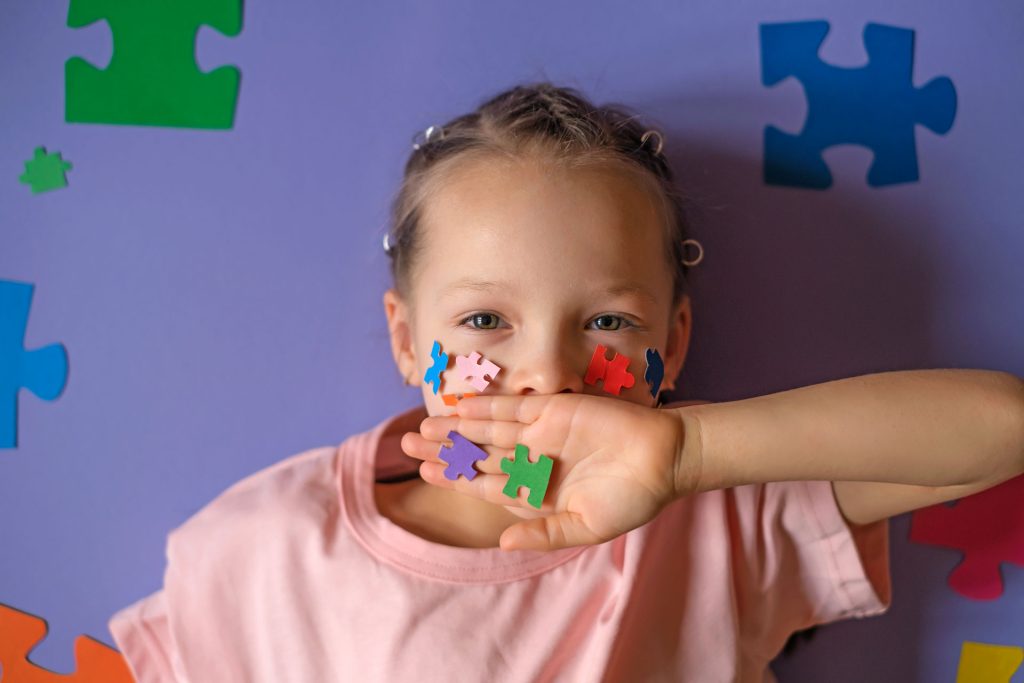
Spending quality time together is one of the best ways to build a strong sibling relationship. Even if your sibling has autism, there are still plenty of fun and meaningful activities you can share.
Here are some great ideas to get started:
- Build puzzles or play simple board games that encourage turn-taking and teamwork.
- Go for nature walks or visit a quiet park, especially if your sibling enjoys the outdoors.
- Create art together, whether it’s painting, coloring, or making crafts—great for expression without needing many words.
- Listen to music or dance together, especially if music helps your sibling relax or feel happy.
- Read picture books or look through photo albums to spark connection and shared memories.
Choose activities based on what your sibling enjoys. If they like routines, try setting aside a special “sibling time” each week. If they’re more active, you can play simple movement games at home. Whatever you choose, the goal is to spend time together in ways that feel safe, fun, and comfortable for both of you.
Related: The Role of Telehealth in ABA Therapy
Understanding Sensory Sensitivities in Autism
One thing that often comes with autism is sensory sensitivity. This means your sibling might be very sensitive to sounds, lights, textures, or even smells that don’t bother you at all. Understanding this can help you be more aware and supportive in everyday situations.
Imagine wearing clothes that feel itchy all day, or hearing a buzzing sound that won’t stop—this is what certain things might feel like to your sibling. Bright lights in a store, the scratchy tag on a shirt, or loud noises at a birthday party might be overwhelming for them. When your sibling covers their ears, avoids certain foods, or gets upset in busy places, it’s usually not about being picky—it’s about feeling uncomfortable in a way they can’t control.
You can help by being thoughtful. If you’re listening to music, ask if it’s too loud. If you’re going somewhere noisy, let your sibling bring noise-canceling headphones. Try not to take it personally if they don’t want a hug or need to leave a room quickly.
Being aware of sensory issues is a powerful way to support your sibling. It shows that you care enough to make things easier for them, and it builds trust between you.
Celebrating Your Sibling’s Strengths and Wins
It’s easy to focus on challenges when someone has autism, but every person with autism also has amazing strengths and talents. As a sibling, one of the most powerful things you can do is celebrate your brother or sister’s abilities and achievements—big or small.
Your sibling might have a great memory, a unique way of thinking, or a special interest they know everything about. They may be great at building things, drawing, solving puzzles, or noticing small details that others miss. Take time to notice these strengths and talk about them with pride.
Even everyday victories deserve celebration. Did your sibling try a new food? Make it through a day without a meltdown? Communicate something they usually struggle with? Let them know you noticed. Saying something as simple as, “I’m proud of you,” can mean the world to them.
Encouragement not only boosts your sibling’s confidence but also helps them feel accepted and loved for who they are. Your support reminds them that they are more than just someone with autism—they’re your awesome brother or sister with a lot to offer the world.
Supporting a sibling with autism begins with understanding, patience, and compassion. By learning more about autism and building meaningful connections at home, siblings can become powerful advocates and lifelong allies for their autistic brothers or sisters. The journey may come with challenges, but it also offers opportunities for growth, empathy, and deep family bonds.
For families seeking professional guidance and individualized support, Spark Behavioral Solutions & Consulting Services in Frisco, Texas offers comprehensive care tailored to the unique needs of children and adults with autism and related developmental disorders. Under the leadership of Maidelina Nazario Romero, a highly experienced behavior analyst with over seven years of expertise, Spark provides services across clinical, school, home, and community-based settings. Maidelina’s passion for helping individuals thrive is evident in every aspect of the work she does.
To learn how Spark Behavioral Solutions & Consulting Services can support your family and strengthen sibling relationships, reach out today and begin building a more supportive, understanding home environment.