
The educational journey of a child with special needs can be both challenging and rewarding. One of the pivotal tools in this journey is behavioral analysis—a scientific approach that is increasingly recognized for its effectiveness in improving learning outcomes. By understanding and applying behavioral analysis, parents and educators can develop tailored strategies to address the unique needs of each child.
These strategies not only enhance learning experiences but also foster greater independence and social integration. In this exploration, we delve into how behavioral analysis serves as a cornerstone in crafting personalized educational pathways, ultimately supporting the holistic development of children with special needs.
Understanding Behavioral Analysis: A Foundation for Special Needs Education
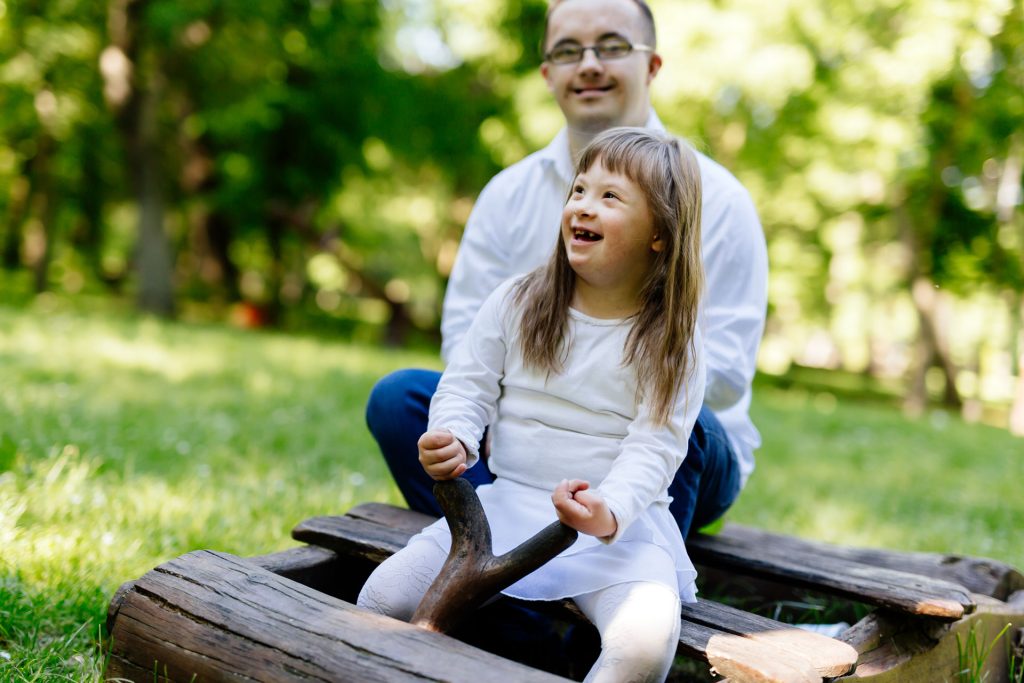
Behavioral analysis, particularly Applied Behavior Analysis (ABA), serves as a vital foundation in special needs education, offering structured methodologies to enhance learning and behavioral outcomes. This scientific approach focuses on understanding behavior patterns and using this knowledge to implement positive behavioral interventions. For children with special needs, ABA is instrumental in developing customized educational strategies that address individual challenges and strengths.
The significance of behavioral analysis lies in its evidence-based framework, which empowers educators and parents to create supportive and adaptive learning environments. By observing and analyzing a child’s interaction with their surroundings, ABA practitioners can identify specific behaviors to target for improvement. This targeted approach not only aids in managing behaviors effectively but also facilitates the development of essential skills such as communication, social interaction, and daily living activities.
Through systematic reinforcement and carefully designed interventions, ABA helps children achieve greater independence and success in educational settings. It also assists parents and educators in setting realistic goals and tracking progress, ensuring that each child receives an education tailored to their unique needs. By laying a solid foundation rooted in behavioral analysis, children with special needs can experience enhanced learning outcomes and improved quality of life.
Related: ABA Therapy and Its Impact on Family Dynamics
Key Principles of Behavioral Analysis in Educational Settings
Behavioral analysis in educational settings is grounded in key principles that effectively guide the learning and development of children with special needs. These principles form the backbone of creating structured and adaptive educational environments.
- Reinforcement: This principle involves increasing the likelihood of a desired behavior by following it with a positive consequence. In educational settings, reinforcement can be used to encourage participation, enhance focus, and promote positive social interactions.
- Punishment: While often misunderstood, punishment in behavioral analysis is about decreasing unwanted behaviors by applying a consequence. In special needs education, careful application of punishment can help manage disruptive behaviors, allowing for a more conducive learning environment.
- Behavior Modification: This involves altering an individual’s behavior patterns through various techniques such as shaping, modeling, and prompting. Educators use behavior modification to teach new skills, improve communication, and foster independence among students.
- Functional Behavior Assessment (FBA): This assessment helps identify the reasons behind certain behaviors by analyzing environmental factors and consequences. FBA is critical in developing targeted interventions that address specific needs.
These principles, when applied effectively, can significantly improve educational outcomes for children with special needs, ensuring that each child receives a tailored educational experience designed to meet their unique requirements.
Related: Autism and Anxiety: How ABA Therapy Can Help
How Behavioral Analysis Tailors Learning Strategies for Individual Needs
Behavioral analysis is a powerful tool in crafting individualized learning strategies for children with special needs. This approach ensures that educational interventions are tailored to each child’s unique strengths and challenges, promoting effective learning and development. Here are key ways behavioral analysis achieves this:
- Individual Assessment: Behavioral analysis begins with a thorough assessment of a child’s specific behaviors and learning patterns. This helps in identifying areas that require targeted intervention, ensuring that each strategy is customized.
- Targeted Interventions: By focusing on individualized goals, behavioral analysis allows educators to design interventions that address distinct needs, enhancing the child’s ability to learn and thrive in their environment.
- Dynamic Adaptability: As children progress, behavioral strategies can be adjusted to meet their evolving needs. This flexibility ensures that interventions remain relevant and effective over time.
- Skill Building: Tailored strategies focus on developing critical skills such as communication, social interaction, and problem-solving, which are essential for long-term success in both educational and social contexts.
- Collaborative Approach: Behavioral analysis encourages collaboration between educators, therapists, and families, ensuring a unified approach to support the child’s learning journey.
- Improved Outcomes: By aligning educational strategies with a child’s individual needs, behavioral analysis contributes to more positive educational outcomes and better quality of life.
Through these personalized strategies, children with special needs receive the support they need to excel, both academically and in their everyday lives.
Related: Decoding Behavior: How ABA Helps Understand Your Child Better
The Role of Behavioral Analysis in Enhancing Social Skills and Independence

Behavioral analysis, particularly Applied Behavior Analysis (ABA), plays a crucial role in enhancing social skills and fostering independence among children with special needs. This approach utilizes structured, evidence-based methods to teach essential social interactions and self-reliance, contributing significantly to the development of these children.
ABA focuses on breaking down complex social behaviors into manageable components, making it easier for children to understand and replicate positive interactions. By using reinforcement techniques, children are encouraged to practice social skills such as making eye contact, taking turns in conversation, and recognizing social cues, which are vital for successful interactions in various settings.
Moreover, behavioral analysis supports the development of independence through self-management strategies. Children are taught to monitor and regulate their own behaviors, encouraging autonomy and decision-making skills. This self-management not only boosts confidence but also equips children to navigate daily challenges more effectively.
Interventions are personalized to meet each child’s unique needs, ensuring that progress in social skills and independence is consistent and meaningful. Through regular assessment and adjustment of strategies, ABA practitioners can ensure that these skills are not only learned but also maintained and generalized across different environments.
By integrating behavioral analysis into educational and therapeutic programs, parents and educators can provide the necessary skills for children to thrive socially and independently, leading to improved overall quality of life.
Related: The Importance of Cultural Sensitivity in ABA Therapy
Collaborating with Educators: Implementing Behavioral Strategies at Home and School
Collaboration between parents and educators is vital in implementing effective behavioral strategies for children with special needs. This partnership ensures consistency and maximizes the benefits of interventions both at home and in the school environment. Here’s how this collaboration can be made effective:
- Consistent Communication: Regular updates between parents and teachers foster a shared understanding of the child’s progress and challenges. This helps in aligning strategies and making necessary adjustments to meet the child’s evolving needs.
- Unified Goals: Establishing common objectives between home and school environments ensures that both parties are working towards the same developmental and behavioral targets, enhancing the child’s learning experience.
- Shared Resources: Educators can provide parents with tools and strategies that have been successful in the classroom, while parents can share insights into what works at home. This exchange of resources helps in creating a cohesive approach to behavior management.
- Tailored Interventions: By working together, parents and educators can customize interventions to suit the child’s unique needs, ensuring that these strategies are practical and effective in both settings.
- Positive Reinforcement: Encouraging the use of consistent reinforcement techniques at home and school supports the child’s understanding of expected behaviors, promoting better adherence and progress.
By collaborating effectively, parents and educators can provide a supportive and nurturing environment that reinforces positive behaviors, aiding in the child’s overall development and independence.
Addressing Behavioral Challenges: Tools and Techniques for Parents
Addressing behavioral challenges at home requires effective tools and strategies that empower parents to support their children with special needs. Here are some key techniques to consider:
- Functional Assessment: Understanding the root cause of a behavior is vital. Parents can use functional assessment tools to identify triggers and patterns, allowing them to develop targeted interventions.
- Positive Reinforcement: Encouraging desirable behaviors through rewards and praise helps children understand expectations and motivates them to repeat positive actions.
- Consistent Routines: Establishing structured daily routines can provide a sense of stability and predictability, which is crucial for children with special needs.
- Visual Aids: Tools such as charts and picture schedules can aid communication and help children understand tasks and transitions more easily.
- Parent Training Programs: Engaging in training designed specifically for managing behavioral challenges can equip parents with practical skills and strategies.
Maidelina Nazario Romero, who holds a Master of Science degree in Educational Psychology from Texas A&M University-Central Texas and a graduate academic certificate in Applied Behavior Analysis from the University of North Texas (UNT), offers valuable insights into these techniques. For more personalized guidance, parents can turn to Spark Behavioral Solutions & Consulting Services, which provides expert support tailored to each child’s unique needs. By leveraging these resources, parents can create a more supportive and effective home environment for their children.