
Every child has an innate curiosity and desire to explore the world. For children with special needs, nurturing this curiosity requires thoughtful approaches that honor their unique strengths and challenges. When children discover joy in learning, it not only builds their confidence but also opens doors to new opportunities for growth and self-expression.
Fostering a love for learning goes beyond academics—it’s about equipping children to overcome obstacles, inspiring creativity, and helping them develop a sense of independence. With personalized strategies and unwavering support from parents, children with special needs can unlock their potential and approach learning as an exciting, empowering experience. This partnership between home and school plays a vital role in shaping how children view their abilities and the world around them. Together, we can ignite a lifelong passion for learning that transforms challenges into achievements.
Understanding the Unique Learning Needs of Children with Special Needs
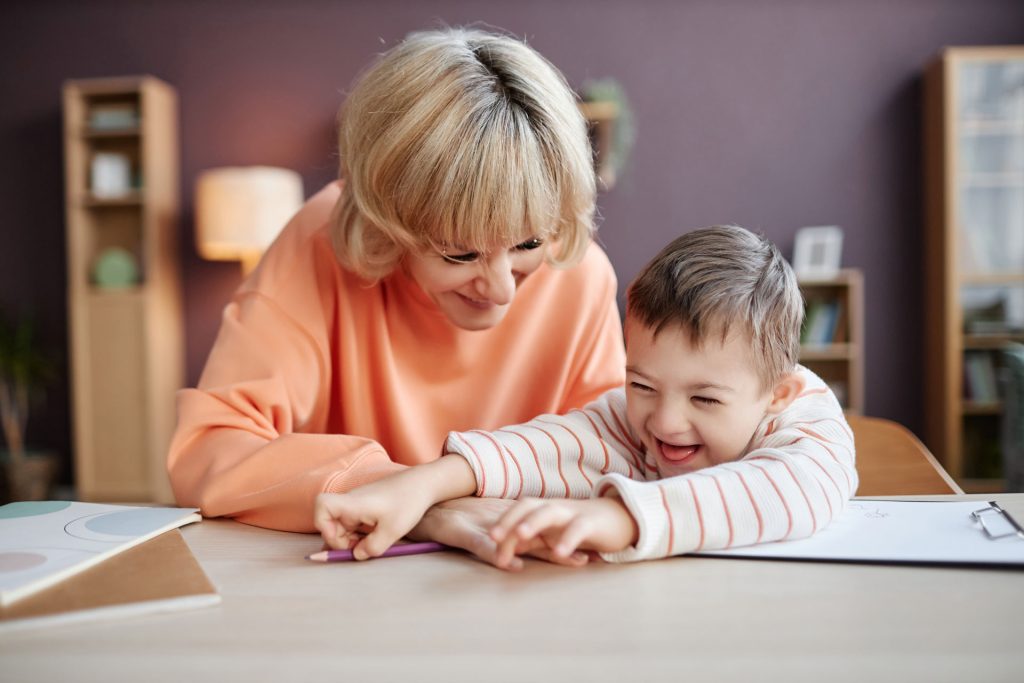
Understanding the unique learning needs of children with special needs begins with recognizing that every child learns differently. Challenges may include difficulties in communication, sensory processing, or motor skills, but equally important are their distinct strengths and capabilities. Addressing these needs requires a thoughtful, individualized approach to education.
Individualized Education Plans (IEPs) are a powerful tool for tailoring learning to a child’s specific needs. IEPs allow educators and parents to define clear goals, outline the necessary accommodations, and develop strategies to help the child succeed. For example, a child with sensory sensitivities might benefit from modified classroom environments, while a student with communication challenges could use assistive technologies like speech-generating devices.
Advances in tools such as the Unique Learning System further enhance this personalized approach. By providing differentiated and standards-aligned instruction, these systems offer interactive, engaging content to match each child’s abilities. Features like progress monitoring allow families and educators to adapt teaching methods in real time, ensuring consistent growth.
Understanding and supporting a child’s unique learning profile not only encourages academic progress but also boosts self-confidence and independence. When parents, teachers, and support teams work together, they help children with special needs discover the joy of learning on their terms.
Related: ABA Therapy and Its Impact on Family Dynamics
The Role of Parents in Supporting a Lifelong Love for Learning
Parents play an essential role in fostering a lifelong passion for learning in children with special needs. Their involvement not only enhances academic progress but also supports emotional and social growth. Here are key ways parents can support their child’s educational journey:
- Active Participation in IEPs (Individualized Education Plans):
Parents are vital members of their child’s IEP team. Offering insights into their child’s strengths and challenges helps shape realistic yet ambitious goals. Consistent involvement ensures services and accommodations are tailored to meet the child’s unique needs. - Creating a Positive Learning Environment at Home:
Incorporate learning into everyday routines. Activities like reading together, using educational games, or practicing problem-solving during chores can help reinforce skills taught in school. - Providing Emotional Support:
Encourage your child during challenges and celebrate their achievements, no matter how small. Emotional guidance builds confidence and a willingness to keep learning. - Encouraging Curiosity and Autonomy:
Support your child in exploring topics of interest and making decisions about their learning. This encourages independence and a deeper connection to the subjects. - Building a Team with Educators:
Maintain open communication with teachers and specialists to stay informed about your child’s progress. Collaboration ensures consistency between home and school approaches.
By staying actively engaged, parents empower their children to view learning as an exciting and rewarding part of life.
Related: Autism and Anxiety: How ABA Therapy Can Help
Personalized Learning Strategies That Make a Difference
Personalized learning strategies are essential for addressing the diverse needs of children with special needs. These approaches ensure that education is tailored to each child’s unique learning style, pace, and strengths. Here are some key strategies that make a meaningful difference:
- Utilizing Individualized Education Plans (IEPs):
IEPs provide a structured framework to align learning objectives with a child’s specific abilities and challenges. They guide teachers, parents, and specialists in creating achievable goals and a clear path to success. - Implementing Assistive Technologies:
Tools like speech-to-text devices, communication boards, or educational apps facilitate learning and empower children to participate more actively in their education. - Leveraging ABA Therapy:
Applied Behavior Analysis (ABA) therapy is a well-established method to support children with developmental challenges. Through one-on-one tailored sessions, ABA helps improve vital skills like communication, focus, and adaptive behavior, while reducing barriers to learning. - Encouraging Multi-Sensory Engagement:
Incorporating tactile, auditory, and visual materials ensures lessons resonate with students who process information through different sensory channels. - Promoting Strength-Based Learning:
Focusing on a child’s inherent strengths boosts confidence and engagement. For example, a child skilled in art can learn other subjects through creative projects.
By combining these strategies, personalized learning ensures every child has the opportunity to thrive academically, socially, and emotionally. Parents working together with educators and therapists can create a holistic support system for their child’s growth.
Related: Decoding Behavior: How ABA Helps Understand Your Child Better
Creating a Learning Environment That Inspires Joy and Creativity

Creating a learning environment that inspires joy and creativity is essential for nurturing the potential of children with special needs. A joyful atmosphere not only motivates learning but also helps build confidence and emotional well-being. By blending creativity into everyday learning experiences, children are better equipped to develop essential academic and life skills.
Play is a powerful tool in creating an engaging and stimulating environment. Whether through structured activities or free play, children can explore, problem-solve, and grow at their own pace. For example, using games to reinforce concepts like numbers or colors can make learning an exciting adventure.
Art and music are equally impactful, offering creative outlets where children can express themselves freely. Activities like painting, singing, or playing instruments can spark curiosity while improving motor skills and emotional expression. For instance, creating a collage or engaging in rhythm-based exercises can be both educational and therapeutic.
The foundation of such an environment lies in fostering a supportive atmosphere where children feel safe and valued. Encouragement and positive reinforcement build trust and motivate children to take on new challenges. When educators and parents work together to balance structure with freedom, they empower children with special needs to find joy and creativity in learning, making education a truly enriching experience.
Related: The Importance of Cultural Sensitivity in ABA Therapy
The Emotional Impact of Building Confidence Through Learning
For children with special needs, learning offers more than academic progress—it can profoundly shape their emotional well-being. When children succeed in tasks tailored to their abilities, they gain a sense of accomplishment that boosts their self-esteem and resilience. Each success, however small, reinforces the belief that they are capable of achieving their goals.
Confidence cultivated through learning creates a safe foundation where children feel empowered to step outside their comfort zones. When they perceive challenges as opportunities rather than obstacles, their willingness to engage and explore grows. This shift not only strengthens problem-solving skills but also nurtures emotional resilience, teaching them to cope with setbacks more effectively.
Beyond resilience, confidence impacts social and emotional growth. A confident child is more likely to express themselves, build relationships, and participate actively in group activities. This fosters a stronger sense of belonging and reduces feelings of isolation that children with special needs sometimes experience.
The emotional benefits of learning extend beyond the classroom. By instilling confidence, parents and educators help children approach life with optimism and determination. They create a ripple effect, turning each learning milestone into a stepping stone toward greater independence, emotional strength, and a deeper love for learning.
Collaborating with Educators and Therapists to Maximize Learning Potential
Collaboration between educators and therapists is essential in maximizing the learning potential of children with special needs. By working together, these professionals create tailored strategies that empower children to thrive academically, socially, and emotionally. Parents play a vital role in this partnership, serving as advocates and facilitators to ensure their child’s unique needs are met.
One proven approach in special education is Applied Behavior Analysis (ABA) therapy. ABA focuses on reinforcing positive behaviors and developing essential skills in children with developmental challenges. By integrating ABA methods in school and home settings, children are more likely to achieve meaningful progress. For example, therapists can collaborate with educators to address specific classroom behaviors or adapt teaching methods for individual learning styles.
Key benefits of collaboration include:
- Holistic Support: Educators and therapists bring expertise from different fields, providing a well-rounded approach to a child’s development.
- Consistency: Aligning strategies across both school and home ensures seamless learning experiences, minimizing confusion and stress.
- Tailored Goals: Joint efforts allow for personalized learning objectives that reflect a child’s strengths and areas for improvement.
- Enhanced Progress Monitoring: Regular communication helps parents stay informed about their child’s growth and adjust plans as needed.
At Spark Behavioral Solutions & Consulting Services, based in Frisco, Texas, families can access expert ABA therapy to complement their child’s education. Their compassionate approach centers on collaboration between parents, educators, and therapists to deliver measurable results.
Led by experienced professionals, such as Maidelina Nazario Romero, who holds a Master of Science degree in Educational Psychology from Texas A&M University-Central Texas and a graduate academic certificate in Applied Behavior Analysis from the University of North Texas (UNT), Spark Behavioral Solutions & Consulting Services ensures each child receives personalized care. Explore their services to help your child reach their fullest potential.
Working together, we can ignite a lifelong love for learning and empower children with special needs to succeed in all aspects of life.