
Applied Behavior Analysis (ABA) is a widely-used approach that focuses on improving specific behaviors, such as communication, social skills, and academic performance. When implemented in a school setting, ABA interventions can play a crucial role in helping children with special needs thrive both academically and socially.
Understanding how ABA works and how it can be tailored to meet your child’s unique needs is essential for making informed decisions about their education and overall development. By exploring the benefits and implementation of school-based ABA interventions, you can help ensure your child receives the kind of support that fosters independence, confidence, and progress.
Key Benefits of ABA for Children with Special Needs
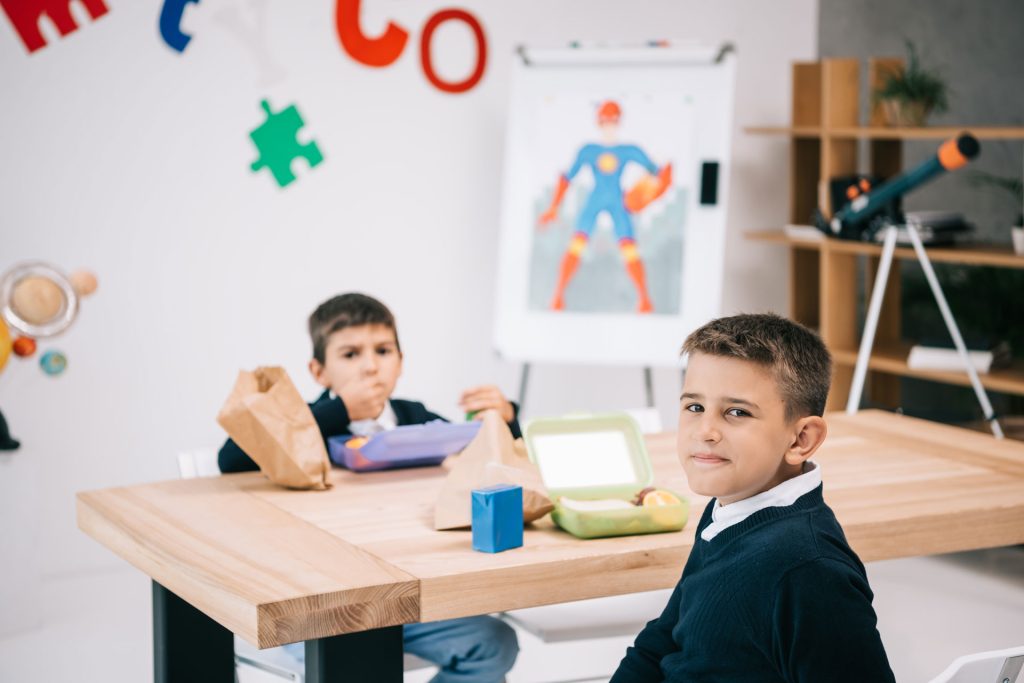
Applied Behavior Analysis (ABA) therapy offers numerous advantages for children with special needs, particularly those on the autism spectrum. By focusing on individualized strategies and positive reinforcement, ABA helps children build essential skills and overcome challenges. Below are some of the key benefits of ABA therapy:
- Enhanced Communication Skills
ABA therapy helps children with special needs learn to express themselves more effectively. By using techniques like positive reinforcement and visual tools, ABA fosters verbal and nonverbal communication, allowing children to interact better with peers, family, and educators. - Improved Social Interaction
Many children with developmental challenges struggle to form social connections. ABA interventions teach skills like sharing, taking turns, and responding to social cues, enabling children to engage more confidently with others and build meaningful relationships. - Development of Life Skills
ABA equips children with everyday skills such as dressing, using the bathroom, and feeding themselves. These foundational skills foster independence and help children participate in daily life with greater ease. - Behavioral Improvement
Using targeted reinforcement, ABA reduces problem behaviors such as aggression or self-injury while encouraging positive actions. This helps children manage frustrations and adapt to various environments more effectively. - Preparation for Real-World Challenges
ABA prepares children for long-term success by teaching coping mechanisms and adaptive skills. From responding to changes in routine to managing emotions, these lessons empower children to face life’s challenges with resilience.
ABA’s evidence-based approach not only improves a child’s day-to-day life but also strengthens their ability to thrive in social, academic, and home settings.
Related: Why We Believe in Igniting a Love for Learning in Children with Special Needs
How ABA Interventions Work in a School Setting
Applied Behavior Analysis (ABA) interventions in schools provide structured support tailored to the unique needs of children with special needs, particularly those with autism. These programs aim to enhance learning, behavior, and social skills within the classroom by utilizing evidence-based techniques. The collaboration between ABA therapists, educators, and parents is at the heart of effectively implementing these interventions, ensuring a cohesive approach to supporting students.
At the core of school-based ABA is the use of individualized education plans (IEPs). These plans focus on each child’s specific strengths, challenges, and learning goals. ABA therapists work closely with teachers to incorporate these goals into classroom routines, using strategies such as Discrete Trial Training (DTT) or Natural Environment Teaching (NET) to build essential skills. Positive reinforcement—a key ABA principle—helps motivate students by rewarding desired behaviors, promoting both engagement and progress.
The role of ABA therapists extends beyond direct interaction with students. They partner with teachers to offer guidance on managing behaviors, integrating learning strategies, and fostering a supportive classroom environment. These professionals continually collect and analyze data to monitor student progress, adjusting interventions as needed to ensure effectiveness.
This collaborative and adaptable approach enables children to generalize learned skills beyond therapy sessions, applying them to real-world academic and social situations. By embedding ABA principles into the school environment, these interventions provide children with the tools to grow and thrive within their educational journeys.
Related: The Role of Behavioral Analysis in Special Needs Education
Tailoring ABA to Your Child’s Unique Needs

Applied Behavior Analysis (ABA) therapy is most effective when personalized to address the specific needs, strengths, and goals of each child. No two children are alike, and ABA practitioners understand the importance of tailoring interventions to unlock every child’s potential.
Customization begins with a comprehensive assessment. This process involves observing the child in their natural environment, interviewing parents or caregivers, and using standardized tools to identify strengths, challenges, and skill gaps. For example, if a child struggles with communication but excels in visual learning, these findings guide the creation of a focused therapy plan that leverages their abilities while addressing key developmental needs.
Goals are established in collaboration with the family, ensuring they align with the child’s specific needs and daily life. These goals might include improving self-help skills, enhancing social interactions, or reducing behavioral challenges. By incorporating a child’s interests and preferences, therapy becomes more engaging and effective.
ABA therapy also emphasizes flexibility. Techniques such as Discrete Trial Training (DTT) or Natural Environment Teaching (NET) can be adapted to suit the child’s learning style and progress. Continuous data collection ensures that therapists can adjust strategies in response to the child’s development, keeping interventions relevant and impactful.
Family involvement is integral throughout this process. Parents are educated on techniques and strategies to reinforce progress at home, creating a consistent and supportive environment. This individualized approach ensures ABA therapy is not only effective but also meaningful, providing children with the skills they need to thrive in all areas of life.
Related: ABA Therapy and Its Impact on Family Dynamics
Collaborating with Educators and Therapists
Collaboration between parents, educators, and ABA (Applied Behavior Analysis) therapists is a vital aspect of a child’s success in school-based ABA interventions. By working together, this team ensures that the child receives consistent, targeted support across home and school environments, fostering meaningful progress in both educational and personal development.
Effective communication is the foundation of successful collaboration. Parents play a central role in sharing crucial insights about their child’s needs, preferences, and behaviors, while educators bring their expertise in classroom dynamics and academic requirements. ABA therapists complement this by providing evidence-based strategies to address behavioral and learning challenges. Regular updates, whether through meetings, emails, or phone calls, create a shared understanding of progress and areas of focus.
Consistency across environments is another key factor. When parents, teachers, and therapists align their approaches, children benefit from clear expectations and reinforcement strategies. For example, if a classroom uses token rewards for positive behavior, parents can adopt similar methods at home to strengthen the child’s learning and emotional regulation. This seamless approach reduces confusion and helps the child generalize skills across settings.
Finally, shared goals unite the team. At the start of the process, parents, educators, and therapists should collaborate on creating Individualized Education Programs (IEPs) or treatment plans that address both academic objectives and behavioral milestones. This ensures the child’s unique needs are met holistically, empowering them to thrive socially, academically, and emotionally.
By fostering open communication, consistency, and shared goals, collaboration paves the way for lasting success in ABA school interventions.
Related: Autism and Anxiety: How ABA Therapy Can Help
Signs of Success: How to Measure Progress Through ABA
Measuring progress in Applied Behavior Analysis (ABA) therapy is an essential part of ensuring that interventions are effective and beneficial for your child with special needs. Through consistent monitoring and collaboration with ABA professionals, parents can gain clarity on how their child is advancing toward developmental goals. Below are key indicators to help you track success in ABA therapy:
- Data-Driven Improvements
Progress in ABA is highly data-focused. Therapists use measurable data to track changes in your child’s behavior, communication, and skills over time. For instance, decreases in problem behaviors or increases in desired skills, as evidenced by graphs or reports, are signs of effective interventions. - Skill Generalization
One hallmark of ABA success is when your child can apply learned skills in various settings. For example, if they’ve mastered using words to express needs during therapy, they should also demonstrate this ability at home or in social settings. Generalized skills make real-world application possible. - Behavioral and Emotional Growth
Observable changes in behavior, such as responding to prompts with less frustration or engaging in social activities, are important progress markers. Parents might notice their child initiating play or handling transitions more smoothly, which suggests growing emotional regulation and social development. - Parent and Therapist Collaboration
Regular communication with your child’s BCBA ensures you’re informed of progress and involved in decision-making. Participating in meetings or observing sessions allows you to see direct evidence of improvements and provides necessary insight into any areas needing refinement.
By focusing on these key indicators, you can feel confident about your child’s progress through ABA therapy, ensuring their continued development and success.
Overcoming Challenges in School-Based ABA Interventions
Implementing Applied Behavior Analysis (ABA) in schools can present unique challenges, but understanding these issues and addressing them proactively can ensure successful outcomes for children. Below are common obstacles and strategies to overcome them:
- Lack of Resources
Schools often struggle with limited funding, materials, and staff to support ABA programs adequately. To address this, schools and families can work together to advocate for additional funding, apply for grants, or partner with community organizations. Prioritizing resource allocation for ABA tools and staff training is critical. - Insufficient Training
Many educators lack formal training in ABA techniques, leading to inconsistent implementation. Providing ongoing professional development and practical, hands-on training for school staff is vital. Utilizing experienced Board Certified Behavior Analysts (BCBAs) to mentor educators can also improve confidence and skill levels. - Administrative Support
A lack of buy-in from school administration often hinders the fidelity of ABA interventions. Addressing misconceptions about ABA through informational sessions and showcasing its effectiveness can help garner support. Administrators should also be involved in goal-setting to align interventions with school policies and priorities. - Difficulty Maintaining Consistency
Consistency across environments can be challenging when multiple educators and therapists are involved. Regular team meetings and open communication channels between teachers, therapists, and parents help establish cohesive approaches. Sharing behavior plans and progress data ensures alignment in strategies.
By tackling these challenges collaboratively, schools can create a supportive environment where ABA interventions thrive, fostering meaningful progress for children with special needs.
Choosing the Right ABA Professional or Program for Your Child
Finding the right Applied Behavior Analysis (ABA) program is a significant step in supporting your child’s development. With many options available, the process can feel overwhelming. Here are key factors to guide you when selecting an ABA program, particularly in Frisco, Texas:
- Qualifications and Certification
Ensure the program is directed by Board Certified Behavior Analysts (BCBAs) and utilizes skilled Registered Behavior Technicians (RBTs). This guarantees interventions are evidence-based and aligned with current best practices. Providers like Spark Behavioral Solutions & Consulting Services, led by Maidelina Nazario Romero, a board-certified behavior analyst, emphasize the importance of professional credentials. - Individualized Plans
Each child’s needs are unique. A quality ABA program should begin with comprehensive assessments to develop a personalized treatment plan targeting your child’s specific strengths and challenges. - Positive Reinforcement Techniques
Look for programs that create a supportive environment using positive reinforcement strategies to encourage desirable behaviors and skills. - Family Engagement
Family involvement is crucial to successful interventions. Choose a program that offers parent training to reinforce skills at home and ensure consistency across settings. - Therapy Settings and Schedule
Whether you prefer in-home, center-based, or school-based therapy, ensure the program’s offerings align with your child’s comfort and your family’s routine.
For families in Frisco, Texas, Spark Behavioral Solutions & Consulting Services provides exceptional care and tailored ABA interventions. With Maidelina Nazario Romero at the helm, the team is committed to your child’s success. Contact them today to begin this rewarding journey, knowing your child is in compassionate and experienced hands.