
Developing strong social skills is a crucial part of every child’s growth. These skills not only help children build meaningful relationships but also boost their confidence and independence. However, for some children, particularly those with developmental or behavioral challenges, navigating social interactions can be overwhelming. They may struggle with reading social cues, expressing emotions appropriately, or engaging in reciprocal conversations.
This is where Applied Behavior Analysis (ABA) can play a transformative role. By breaking down complex social behaviors into manageable steps, ABA provides a clear framework for teaching and reinforcing vital social skills. Grounded in evidence-based techniques, this approach empowers children to practice, master, and apply these skills in real-life situations, opening the door to greater social connection and personal success.
Why Social Skills are Important for Your Child’s Development
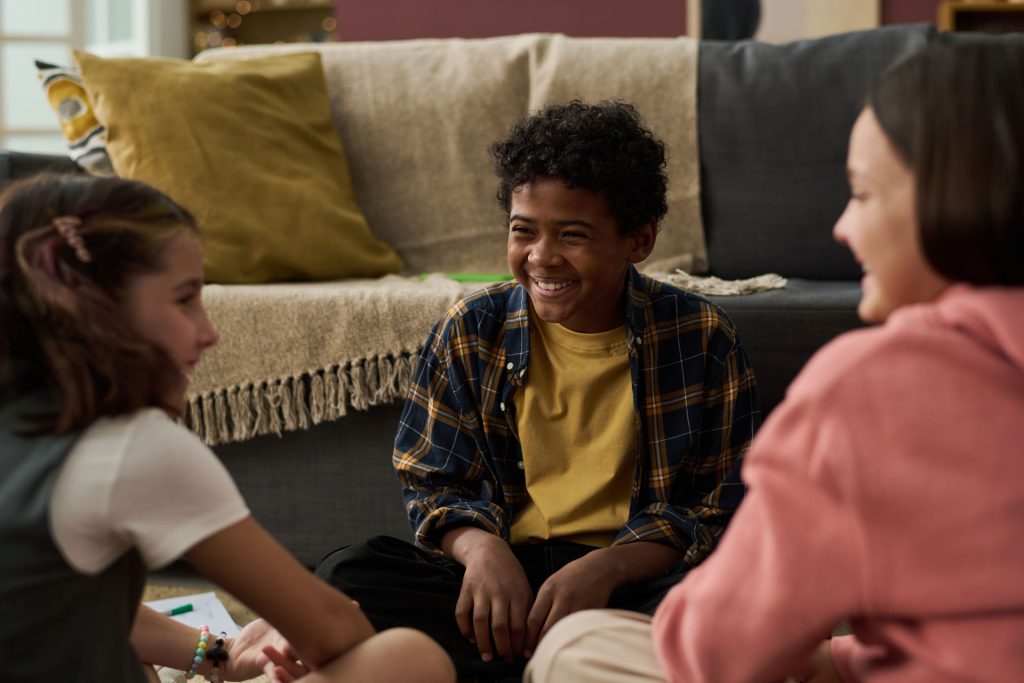
Social skills are a fundamental part of your child’s overall growth, shaping their ability to build relationships, communicate effectively, and adapt to various life situations. These skills, which range from sharing and cooperating to understanding nonverbal cues, are essential tools that help children thrive both socially and emotionally.
Strong social skills foster meaningful connections with peers and adults, teaching children how to interact harmoniously with others. For instance, skills like sharing and empathy develop during interactions, helping children make friends and resolve conflicts. Beyond social interactions, these skills contribute to emotional well-being. Children with refined social abilities often display higher resilience, reduced anxiety, and greater confidence, which are crucial for mental health.
Academically, social skills are equally impactful. Children who can listen, follow directions, and cooperate in group settings are better equipped to succeed in school. Furthermore, these foundational skills ease major transitions, such as starting school or moving into new environments, by boosting confidence and self-reliance.
Whether it’s learning cooperation during a game or practicing conversation skills at home, investing in a child’s social development benefits them for life. When nurtured early, these abilities become the backbone of their emotional intelligence, independence, and future success.
Related: Integrating ABA Techniques into Everyday Routines
Common Challenges Children Face in Developing Social Skills
While many children develop social skills naturally, others face unique challenges that can hinder their ability to connect with peers and thrive in social settings. Understanding these obstacles can help parents provide the support their child needs to succeed.
Here are some common challenges children may encounter:
- Difficulty Interpreting Social Cues
Children may struggle with recognizing facial expressions, body language, tone of voice, or sarcasm. For example, they may misinterpret a playful joke as a negative comment, leading to confusion or frustration. - Trouble with Perspective-Taking
Some children find it challenging to understand others’ feelings or viewpoints. This can make resolving conflicts or empathizing with peers more difficult, limiting their ability to form deep connections. - Impulsivity and Self-Regulation Issues
Impulsive actions, like interrupting or reacting strongly without considering consequences, often impact social interactions. These behaviors can stem from challenges in managing emotions or understanding socially appropriate responses. - Struggles with Making Friends
Children who face difficulties initiating conversations or reading social dynamics may feel excluded, leading to feelings of loneliness or rejection.
Recognizing these challenges is the first step in addressing them. With structured guidance, such as Applied Behavior Analysis (ABA), children can develop the social tools they need to confidently engage and build meaningful relationships.
Related: The Role of Parents in ABA Therapy: A Collaborative Approach
How ABA Breaks Down Social Skills into Manageable Steps
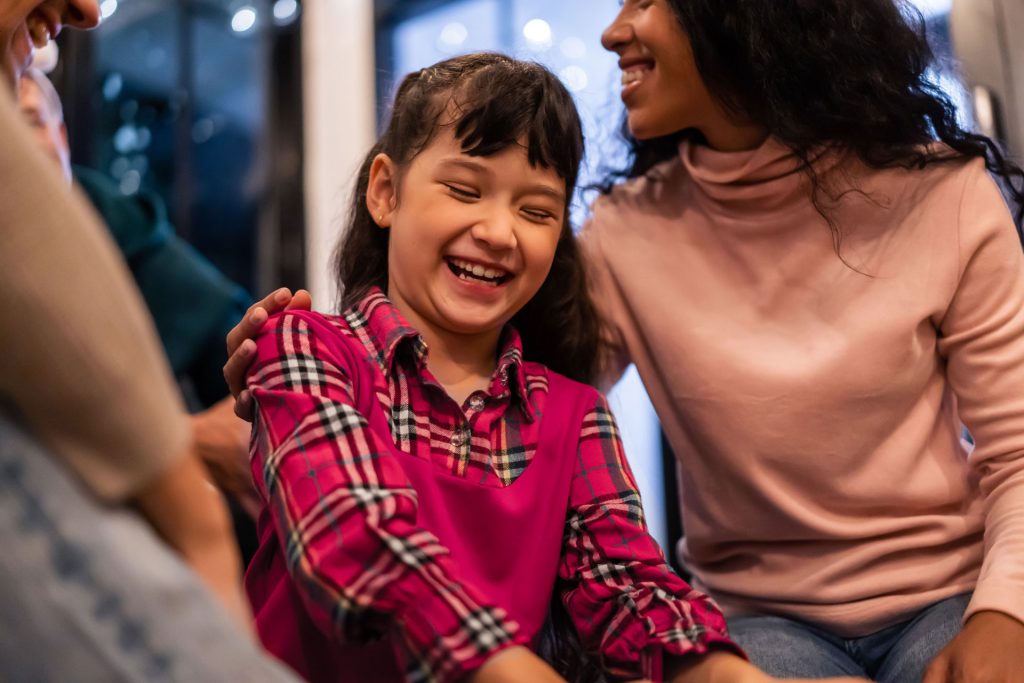
Applied Behavior Analysis (ABA) simplifies the process of developing social skills by breaking them into smaller, teachable components. This structured, evidence-based approach ensures that children learn each step thoroughly, building a solid foundation for more complex social interactions. Here’s how ABA makes social skills more accessible:
- Discrete Trial Training (DTT): Social skills are divided into small, manageable steps. For instance, a child might first learn to make eye contact during a greeting and then progress to saying “hello.” Each milestone is practiced individually before combining them into a full interaction.
- Modeling and Imitation: ABA therapists model appropriate social behaviors, such as initiating conversations or taking turns. Children then imitate these behaviors, receiving immediate guidance to refine their actions.
- Role-Playing: Using safe and controlled environments, children rehearse real-life scenarios, such as asking for help or joining a game. This allows them to practice without pressure.
- Positive Reinforcement: ABA uses rewards to encourage successful social interactions, reinforcing behaviors like sharing, listening, or maintaining conversations.
- Natural Environment Training (NET): By practicing skills during everyday activities, such as at school or on playdates, children learn to generalize their skills across different settings.
This step-by-step process empowers children to approach social interactions with confidence, paving the way for meaningful relationships and long-term success.
Related: How We Incorporate Play into ABA Therapy: Making Learning Fun
Evidence-Based Techniques Used in ABA for Social Skill Development
Applied Behavior Analysis (ABA) incorporates evidence-based techniques designed to teach and reinforce social skills, particularly for children who may struggle with social interactions. These methods simplify learning, targeting specific challenges in a structured and supportive way. Here are some of the most effective techniques:
- Social Stories: These personalized, written narratives help children understand social scenarios by outlining appropriate behaviors and responses. For example, a story might explain how to greet a new friend or take turns in a game. Including illustrations or pictures makes them more engaging for younger children.
- Role-Playing: This technique allows children to practice social interactions in a controlled setting. Scenarios, such as asking for help or joining a group activity, are acted out with ABA therapists or peers to build confidence and understanding.
- Positive Reinforcement: By rewarding desired behaviors like sharing or making eye contact, this method encourages children to repeat these actions. Rewards can range from verbal praise to small tangible items that motivate the child.
- Modeling: ABA therapists demonstrate correct social behaviors, such as polite conversation or waiting in line. Children observe and then emulate these actions in guided practice.
- Visual Supports: Tools like charts or diagrams highlight social rules or steps in an interaction. These aids help children stay focused and retain what they’ve learned.
These strategies equip children with the tools needed for meaningful social connections, building confidence for real-world interactions.
Related: School ABA Intervention: What You Need to Know
Teaching Social Cues through Applied Behavior Analysis
Teaching children to understand and respond to social cues, such as body language, facial expressions, and tone of voice, is a crucial aspect of social skill development. Applied Behavior Analysis (ABA) offers a structured and evidence-based approach to mastering these skills, particularly for children who find social interactions challenging.
ABA targets social cues by breaking them into specific, manageable components. For example, a child might first learn to recognize broad facial expressions—like a smile for happiness or a frown for sadness—before advancing to subtler emotional indicators. Therapists use clear strategies, such as modeling and video demonstrations, to show children how social cues are expressed in real-world scenarios. Through guided practice and repetition, children begin to recognize and respond appropriately to these signals.
Positive reinforcement plays a key role in this process. Each time a child correctly identifies or reacts to a social cue, they receive encouragement or rewards to strengthen the behavior. Additionally, role-playing and real-world practice sessions help children apply these skills in everyday settings, where they often encounter diverse social dynamics.
By systematically teaching social cues through ABA, children can build confidence and competence in navigating interactions. These skills foster better relationships, improved communication, and a deeper understanding of the emotions and intentions of others.
The Role of Parental Support in ABA-Based Social Skills Training
Parental support is a vital component of ABA-based social skills training, playing a key role in reinforcing and generalizing learned behaviors. Consistency between therapy sessions and the home environment helps children solidify skills such as turn-taking, making eye contact, and interpreting social cues. When parents actively participate, they amplify the impact of ABA techniques, creating more opportunities for their child to practice and grow in real-world scenarios.
Therapists collaborate with parents to ensure that skills learned during sessions are practiced consistently at home. This involvement not only enhances the child’s progress but also empowers parents with tools to address challenges and celebrate successes. Parents who are engaged in their child’s ABA program often see more meaningful improvements in communication, behavior, and social integration.
If you’re in Frisco, Texas, Spark Behavioral Solutions & Consulting Services offers a unique and collaborative approach to support families. Founded by Maidelina Nazario Romero, an experienced behavior analyst with over seven years of expertise in clinical, school, and community-based environments, Spark is committed to helping children and adults with developmental delays, autism, and related conditions reach their fullest potential. Contact Spark Behavioral Solutions & Consulting Services today to learn how Maidelina and her team can guide you in fostering your child’s social success.