
When it comes to supporting children with special needs, therapy should not only be effective but also engaging and enjoyable. Applied Behavior Analysis (ABA) therapy is a proven approach to building critical skills, but incorporating play takes it to another level, transforming learning into an experience that feels natural and fun.
Play is more than just recreation—it’s a powerful tool that fosters engagement, encourages exploration, and helps children develop essential life skills in a safe and motivating environment. By weaving structured learning goals into playful activities, we create opportunities for growth while ensuring therapy feels rewarding for your child.
The Role of Play in Child Development and ABA Therapy
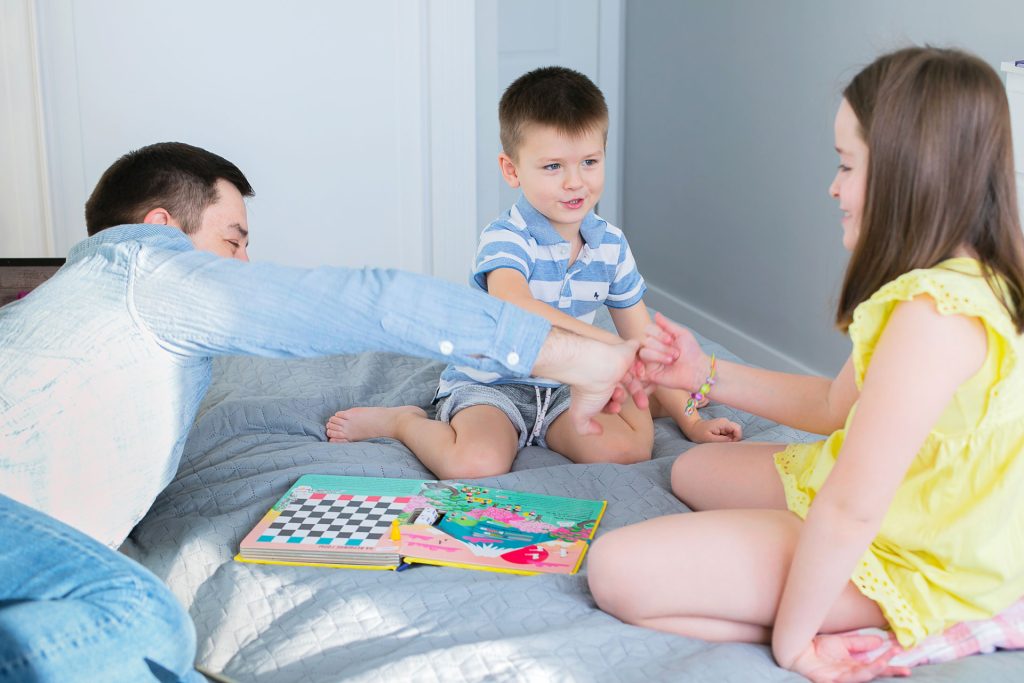
Play is an essential part of childhood, offering far more than just fun—it serves as a foundation for cognitive, social, and emotional growth in children. Through play, children naturally explore their surroundings, practice problem-solving, and develop critical connections that shape their understanding of the world. For children with special needs, including those on the autism spectrum, play takes on an even greater significance as it becomes a bridge to learning and skill-building.
Cognitively, play promotes curiosity and discovery. Activities like building blocks or solving puzzles help children understand concepts such as cause and effect, spatial awareness, and critical thinking. For example, when a child stacks blocks and watches them topple, they are learning both persistence and physics in a hands-on, engaging way.
Socially, play fosters interactions with peers and caregivers. It provides a safe environment to practice sharing, turn-taking, and communication skills. Structured play activities in ABA therapy, such as group games or pretend play scenarios, are carefully designed to teach these social behaviors while making the experience enjoyable and non-intimidating.
Emotionally, play helps children express themselves. It creates a space where they can explore feelings and build resilience in a low-pressure setting. For instance, a simple game of hide-and-seek can build anticipation, joy, and regulation of emotions when transitioning between hiding and seeking roles.
Within ABA therapy, play is purposefully integrated to enhance these developmental areas. Therapists use the child’s interests to create meaningful, play-based interventions, ensuring learning is intrinsically motivating. By weaving therapeutic goals into playful activities, ABA therapy turns challenges into opportunities, fostering growth while keeping children engaged and happy.
Related: School ABA Intervention: What You Need to Know
How Play Encourages Engagement and Motivation in ABA Sessions
Engagement and motivation are key to success in any therapeutic setting, especially in Applied Behavior Analysis (ABA) therapy for children with special needs. By integrating play into sessions, ABA harnesses the child’s natural curiosity and joy, making the learning process both enjoyable and effective.
Play-based ABA therapy captivates children’s attention by leveraging their innate love for exploration. Activities are tailored to the child’s unique preferences and interests, ensuring active participation. For example, a child fascinated by building blocks might engage in stacking activities that subtly teach critical skills like turn-taking or following instructions. This personalized approach fosters a positive association with therapy, reducing anxiety and making sessions more inviting.
Motivation naturally increases when therapy feels like play. Play allows for natural reinforcement—success itself becomes rewarding, whether it’s completing a puzzle or engaging in pretend play scenarios. This reduces reliance on external prompts and motivates the child to sustain attention and effort. For instance, incorporating role-playing games can make social skill-building feel exciting rather than demanding.
Play also promotes immediate and meaningful learning. Techniques such as Natural Environment Teaching (NET), where therapists use playful interactions in familiar settings, make skill application seamless in daily life. A simple game of catch can provide valuable lessons in hand-eye coordination, communication, and cooperation.
Ultimately, the integration of play into ABA therapy ensures that children remain engaged, motivated, and open to learning essential life skills. By prioritizing fun and exploration, ABA therapy transforms challenges into opportunities for growth—one playful moment at a time.
Related: Why We Believe in Igniting a Love for Learning in Children with Special Needs
Types of Play Activities Used in ABA Therapy and Their Benefits
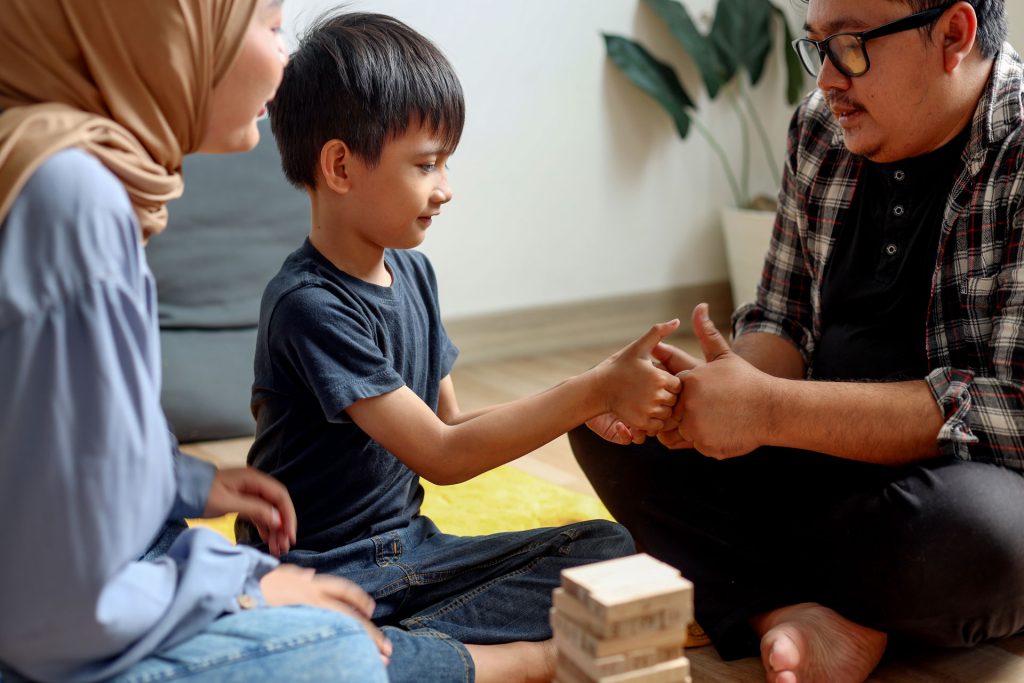
Play activities in ABA therapy are thoughtfully designed to support a child’s learning and development while remaining fun and engaging. Different types of play target specific skills, helping children with special needs overcome challenges in areas like communication, social interaction, and behavior regulation. Below is a list of common play activities used in ABA therapy and their benefits:
- Cause-and-Effect Play
Activities such as pressing buttons to activate lights or sounds teach children that their actions can produce specific results. This enhances their understanding of control within their environment, fostering curiosity and problem-solving skills. - Functional Play
Using toys in their intended way, such as rolling a ball or pushing a toy truck, helps children develop motor skills and understand the purpose of objects. It also sets the foundation for more advanced play types. - Pretend Play
Role-playing activities like cooking with toy food or engaging in tea parties encourage creativity, imagination, and social-emotional development. They also enhance verbal and non-verbal communication abilities. - Social Play
Games like turn-taking with board games or cooperative activities like building with blocks improve teamwork, sharing, and conflict resolution skills in a structured and supportive environment. - Physical Play
Activities like tag, hide-and-seek, or simple ball games promote gross motor development and provide opportunities for practicing group participation and interaction.
Each of these activities aligns with specific goals in ABA therapy, ensuring skill development while keeping sessions enjoyable. By utilizing various play types, therapists create a rich and engaging learning experience tailored to each child’s unique needs.
Related: The Role of Behavioral Analysis in Special Needs Education
Using Play to Build Social, Communication, and Cognitive Skills
Play is a powerful tool in ABA therapy, offering an engaging way for children to develop essential social, communication, and cognitive skills. Each playful interaction becomes an opportunity to teach critical behaviors and foster meaningful development.
- Social Skills Development
- Turn-Taking and Sharing: Play encourages cooperation through activities like board games or building blocks, teaching children to wait their turn and share resources.
- Empathy and Perspective-Taking: Role-playing scenarios allow children to step into others’ shoes, helping them understand emotions and viewpoints.
- Group Interactions: Through structured group play, children practice skills like collaboration and conflict resolution, essential for forming relationships.
- Communication Skills Enhancement
- Expressive Skills: Activities such as storytelling and pretend play help children articulate their thoughts and use expressive language.
- Receptive Understanding: Games that involve following instructions, like “Simon Says,” improve listening and comprehension.
- Non-Verbal Communication: Play fosters recognition of cues such as body language and facial expressions, especially critical for children with ASD.
- Cognitive Skill Building
- Problem-Solving: Puzzles and strategy games nurture critical thinking and decision-making abilities.
- Memory and Attention: Simple games requiring recall, like matching cards or hide-and-seek, enhance memory retention and focus.
- Functional Skills: Activities like sorting or categorizing objects aid in understanding concepts like patterns, sequencing, and organization.
By integrating these play-based strategies into therapy, children with special needs can develop essential life skills in a manner that is both enjoyable and productive. Play not only makes learning accessible but also meaningful for long-term growth.
Related: ABA Therapy and Its Impact on Family Dynamics
Tips for Parents to Create Play-Based Learning Opportunities at Home
Creating play-based learning opportunities at home can foster your child’s development while ensuring they remain engaged in meaningful activities. Here are some practical tips to help parents incorporate play effectively:
- Set Up Designated Play Areas
Create a dedicated space where your child feels safe and encouraged to explore. Keep this area free of distractions and include a mix of sensory-friendly and educational toys. - Follow Your Child’s Interests
Identify what excites your child, whether it’s puzzles, building blocks, or role-playing. Use these preferred activities as a starting point to integrate new learning opportunities. - Introduce Variety Gradually
Expand your child’s experiences by incorporating new toys or games over time. For instance, add interactive toys that encourage logical thinking or introduce materials for pretend play. - Make Play Collaborative
Engage in activities together, such as playing board games or completing a puzzle as a team. This interaction not only strengthens your bond but also helps your child practice turn-taking and cooperation. - Use Everyday Items
Incorporate simple household items like cups, spoons, and cardboard boxes for creative play. These items can help teach cognitive skills such as problem-solving or sorting. - Focus on Small Achievements
Celebrate progress, no matter how small. Positive reinforcement encourages your child to participate more fully in future play sessions. - Encourage Peer Interaction
Arrange playdates with peers in a structured setting. Simple activities like group storytelling or building games can boost social skills.
Consistent, play-based learning at home helps children build foundational skills while encouraging exploration and creativity in a familiar, comfortable environment.
The Balance Between Fun and Therapy in Play-Based Approaches
Finding the perfect equilibrium between fun and therapeutic progress is essential in play-based ABA therapy. Play serves as both a natural motivator and an effective tool for learning, allowing children to engage in activities that feel enjoyable while working on targeted developmental goals. This delicate balance ensures that children remain enthusiastic and make meaningful strides in their behavioral and cognitive growth.
Play-based approaches are designed to meet children on their level, where fun becomes a medium of connection. For example, activities like pretend play or sorting games foster emotional regulation and problem-solving, while simultaneously addressing communication challenges. Therapists carefully structure these activities to ensure a therapeutic framework is maintained, transforming play into an opportunity for growth without compromising joy.
Maidelina Nazario Romero, the executive director and board-certified behavior analyst at Spark Behavioral Solutions & Consulting Services, emphasizes that this blend of fun and purpose makes play therapy uniquely effective, particularly for children with autism or other developmental needs. Located near Frisco, Texas, Spark Behavioral Solutions is committed to helping families achieve these goals through meaningful, play-based interactions.
Additionally, play therapy provides a safe space for children to explore emotions, practice social skills, and develop self-confidence. This dual-purpose approach not only boosts their developmental skills but also builds a positive association with learning, making every session both impactful and enjoyable.
Contact Spark Behavioral Solutions & Consulting Services today to learn more about how play-based ABA therapy can help your child thrive in a nurturing, balanced environment.